Young People Are Already Doing the Work
Across Africa, young researchers, students, and community organizers are tackling neglected tropical diseases in ways that formal institutions have not. They understand the communities. They speak the languages. They know which rivers children swim in and which schools have no toilets.
The question is not whether youth can contribute to NTD elimination. They already are. The question is whether they get the support they need to do it at scale.
What Youth-Led Innovation Looks Like
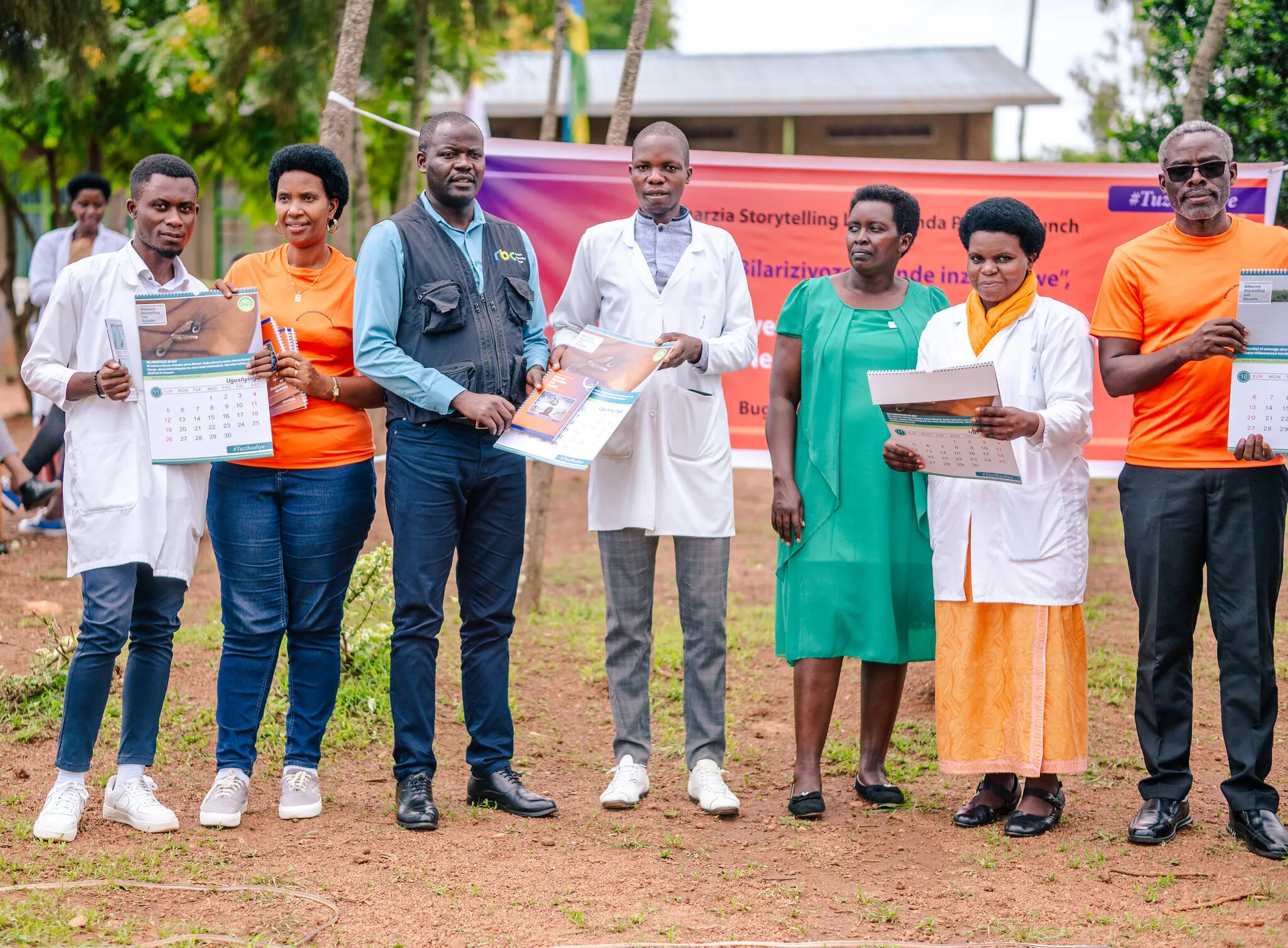
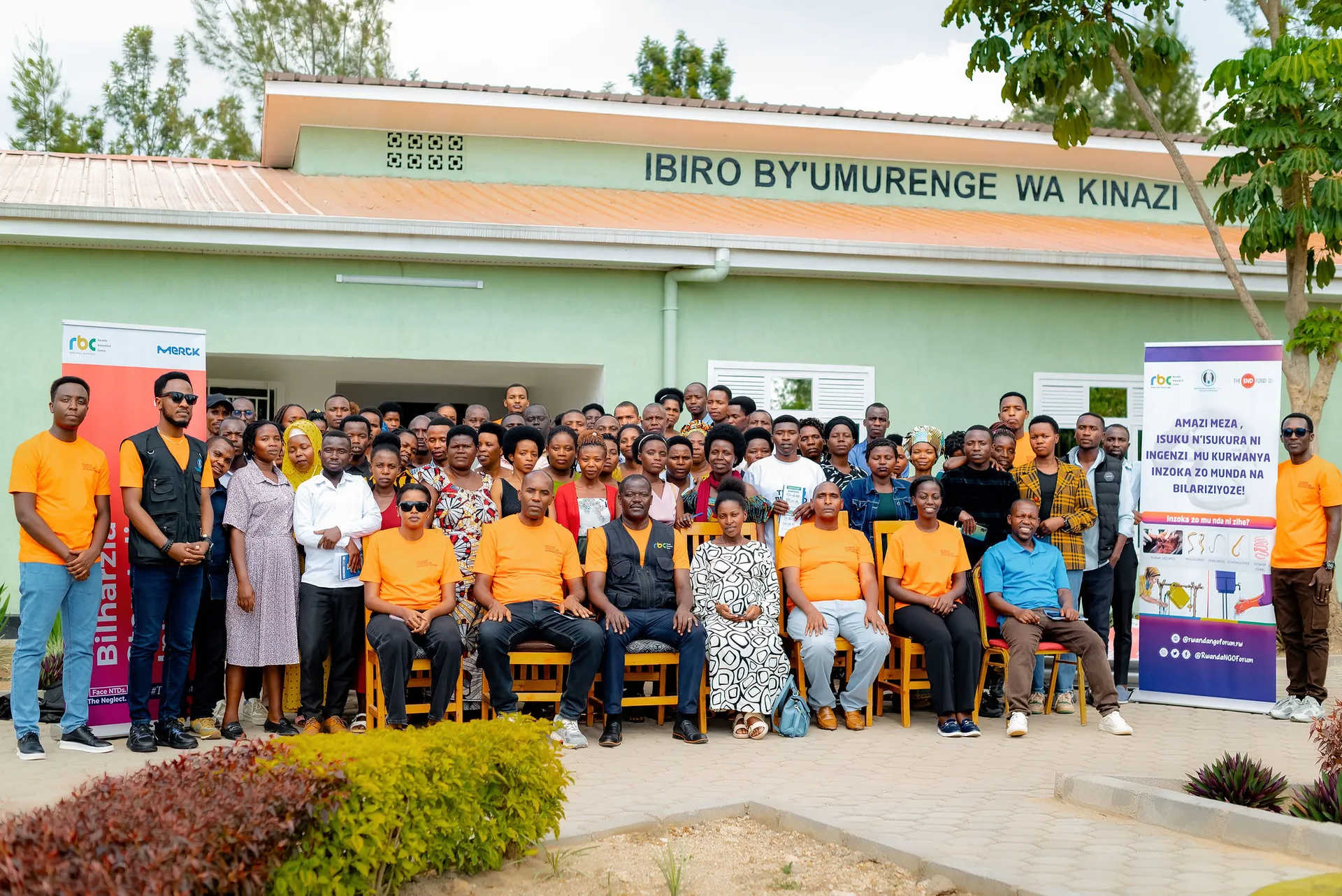
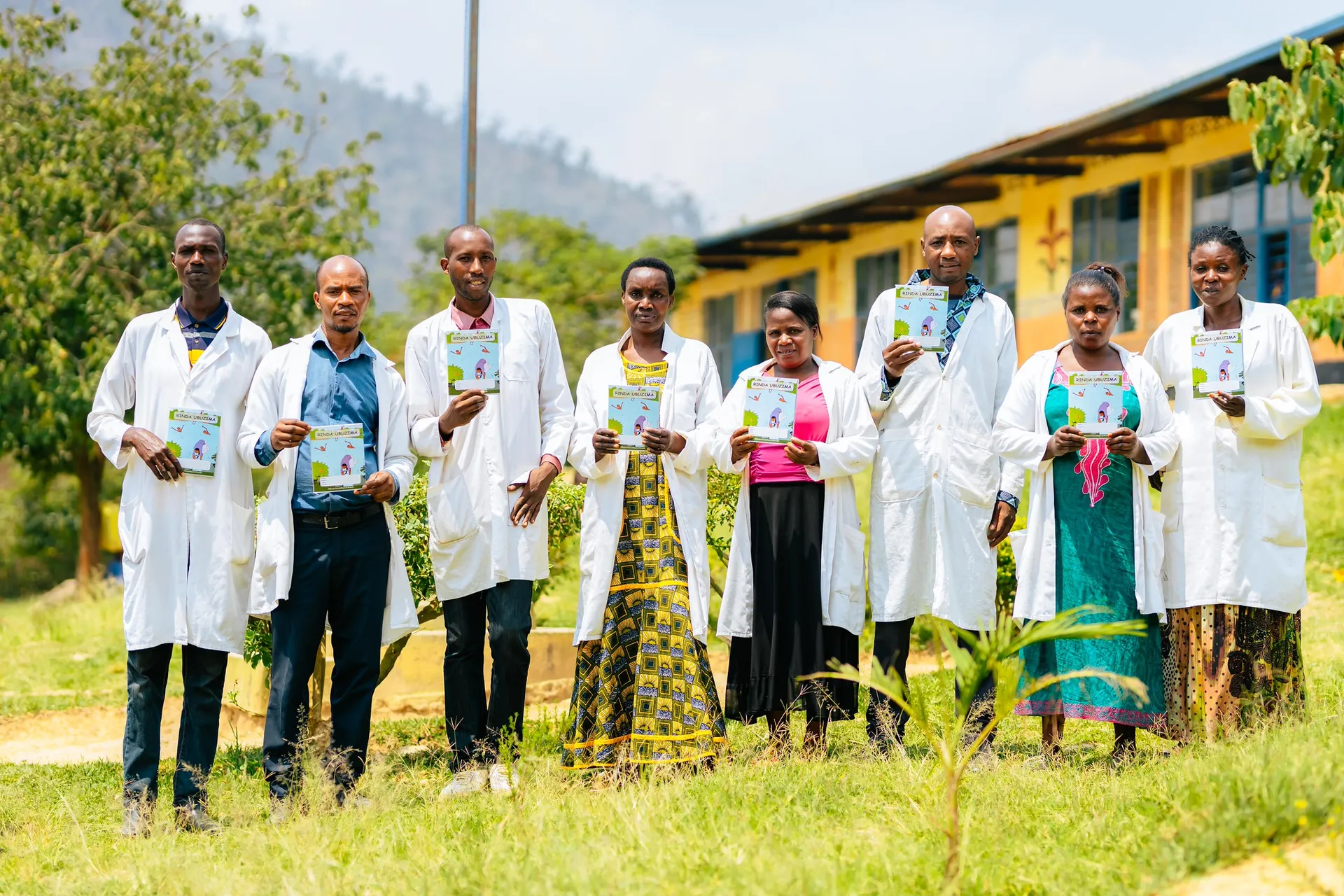
In Rwanda, the Bilharzia Storytelling Initiative started as a student-led project using comic books and storytelling competitions to teach communities about schistosomiasis. It now reaches over 11,000 children across three districts.
In other parts of Africa, young innovators are developing low-cost water testing kits, designing community health campaigns in local languages, and building digital tools to track disease prevalence in real time. These are practical solutions, built by people who live close to the problem.
The Gap in Funding and Recognition
Youth-led projects rarely make it onto funding shortlists. Grant applications favour established institutions with track records and overhead structures. Young people with good ideas and community trust often cannot compete on those terms.
Changing that requires deliberate effort: dedicated funding streams for youth-led health initiatives, mentorship from experienced researchers, and recognition that proximity to a problem is itself a form of expertise.
A Call to Action
If Africa is going to eliminate NTDs by 2030, it will need every available resource. Young people are one of the most underused. Investing in them is not charity. It is strategy.
Read the full article on The New Times Rwanda.
Originally published at www.newtimes.co.rw