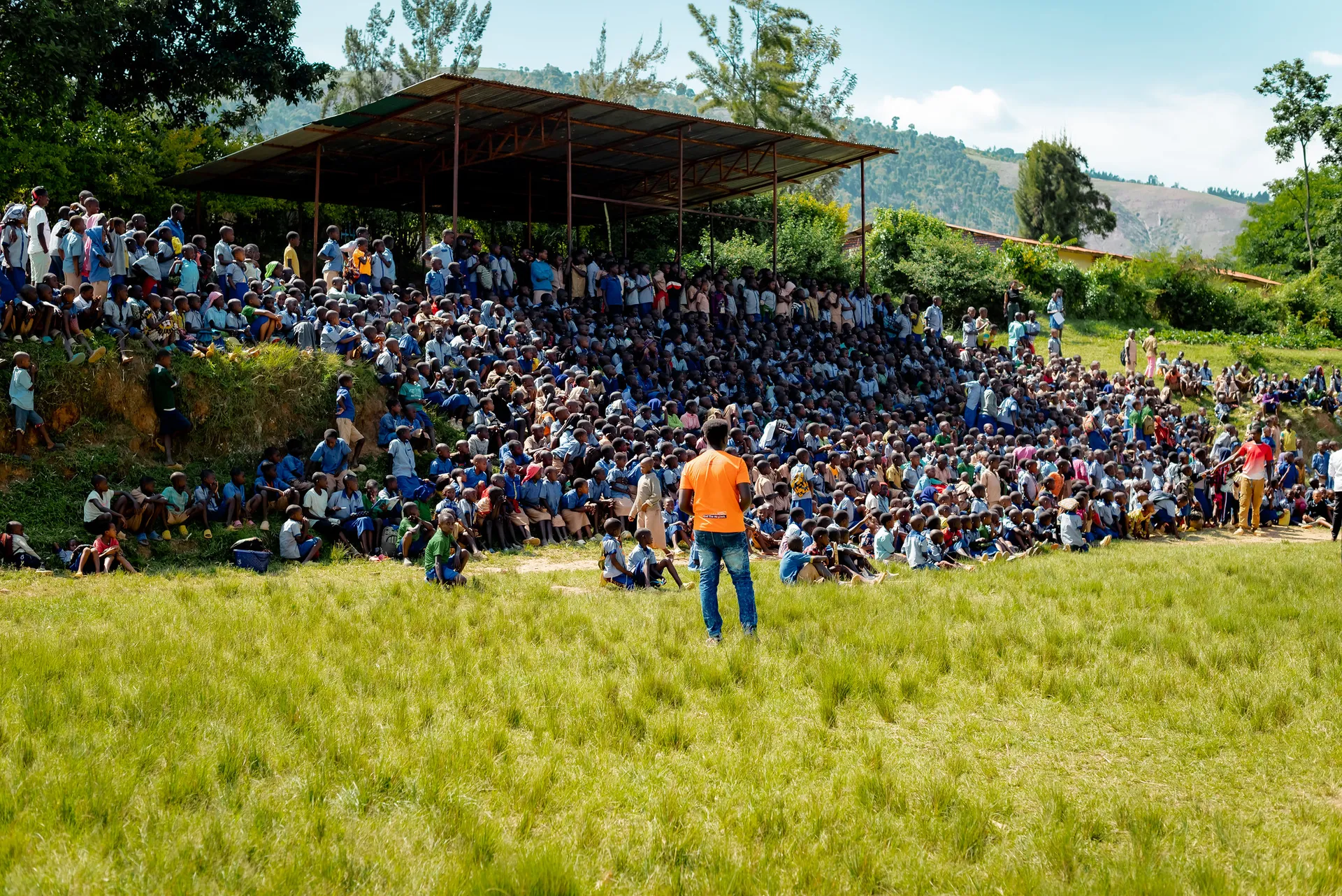
A disease hiding in plain sight
What is Bilharzia?
Schistosomiasis (bilharzia) is a neglected tropical disease caused by parasitic worms found in contaminated freshwater. It affects over 200 million people worldwide, yet most have never heard of it.
People infected
At risk
Endemic countries
In Sub-Saharan Africa
Understanding the disease
How Schistosomiasis Spreads
Bilharzia, also known as schistosomiasis, is a parasitic disease caused by flatworms of the genus Schistosoma. The parasites live in certain types of freshwater snails, which release microscopic larvae called cercariae into the water.
When people touch contaminated freshwater while swimming, bathing, washing clothes, or fishing, the larvae penetrate the skin within minutes and grow inside the body, causing chronic damage to the liver, kidneys, bladder, and intestines.
Who's At Risk?
- Children who swim and play in contaminated water
- Women washing clothes in rivers and lakes
- Fishermen exposed to infested water daily
- Communities living near lakes without clean water access
Rwanda context
Bilharzia in Rwanda
Affected villages — representing 47% of all villages in Rwanda.
Prevalence rate in Bugesera and Ruhango districts, with marshland communities reaching close to 80% across 28 districts.
Stunting rate among Rwandan children, connected to chronic schistosomiasis and malnutrition.
Rwanda's elimination target under the Kigali Declaration, committing to eradicate bilharzia nationwide.
Citizens trained in Bugesera and Ruhango through the IOT program on bilharzia prevention and WASH practices.
Prevalence in marshland communities across 28 districts, making schistosomiasis one of Rwanda's most widespread NTDs.
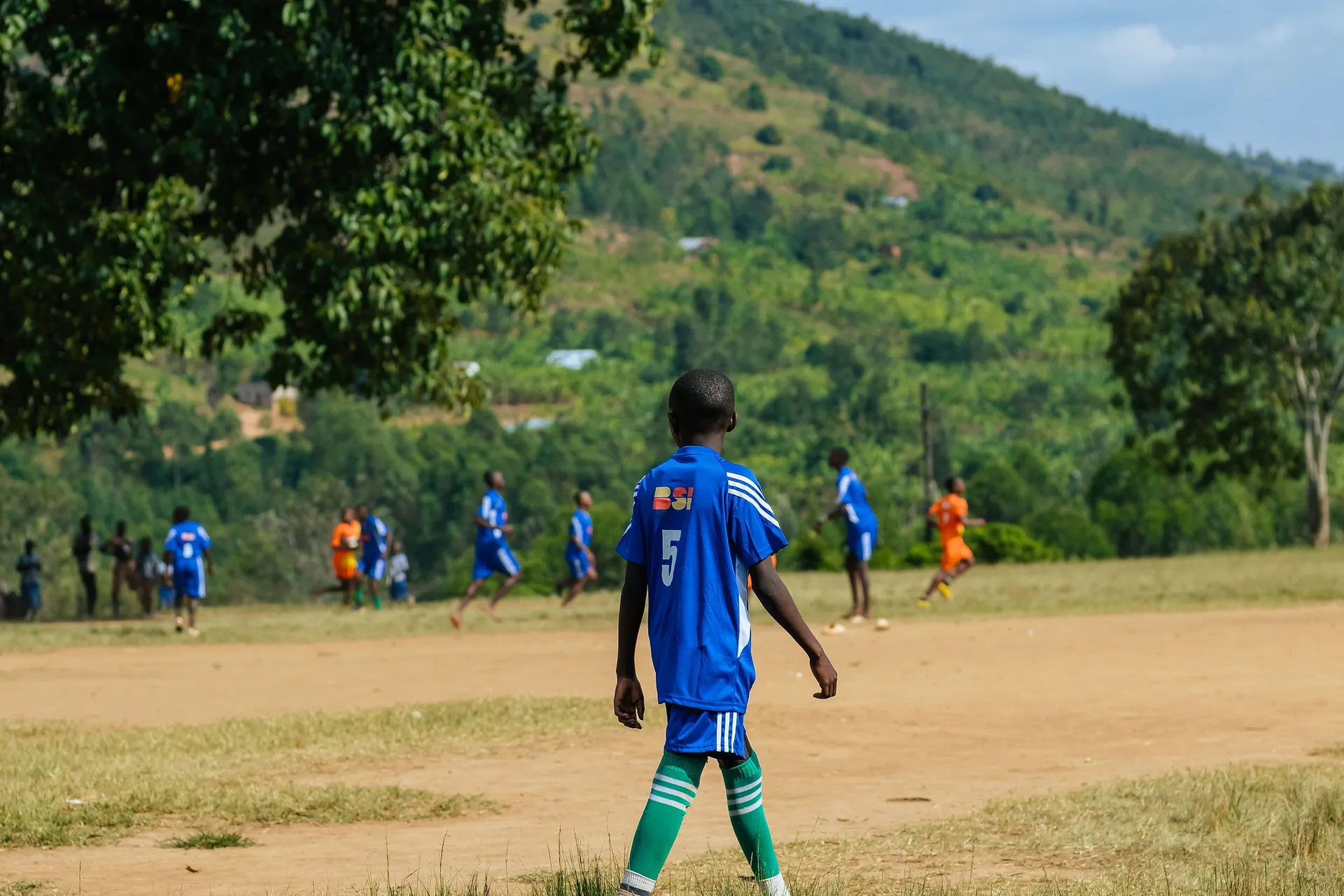
The water they depend on is the water that makes them sick
Why Rwanda
A Crisis in Rwanda's Lake Regions
Rwanda's lake regions and marshland communities are among the most affected areas in the country. Communities in Bugesera, Gatsibo, and Ruhango districts live near water sources used for farming, bathing, and daily household needs, putting them in constant contact with contaminated water.
Children in these areas are especially vulnerable. With 1,013 affected villages representing 47% of all villages in Rwanda, and prevalence rates reaching 15% in Bugesera and Ruhango and close to 80% in other marshland communities, the burden is immense.
Breaking this cycle takes more than treatment. It needs community education, clean water access, and lasting prevention programs. Rwanda has committed to eliminating bilharzia by 2030 under the Kigali Declaration, and BSI is working across three districts to help make that happen.
Common questions
FAQ
Early symptoms include itchy skin rash, fever, chills, and muscle aches. Over time, bilharzia causes abdominal pain, diarrhea, blood in urine or stool, and fatigue. In children, long-term infection leads to malnutrition, stunted growth, and learning difficulties.
Bilharzia spreads through contact with freshwater contaminated by parasitic larvae (cercariae). Infected freshwater snails release these larvae, which penetrate human skin within minutes. Swimming, bathing, washing clothes, and fishing in infested water all carry risk.
Yes. Praziquantel is a safe, effective, and affordable medication. A single dose is usually enough. But reinfection is common if people keep using contaminated water, which is why prevention and clean water access matter just as much as treatment.
Prevention means avoiding contaminated water, improving access to clean water and sanitation, treating infected people, and controlling snail populations. Community education about how the disease spreads is key to breaking the cycle.
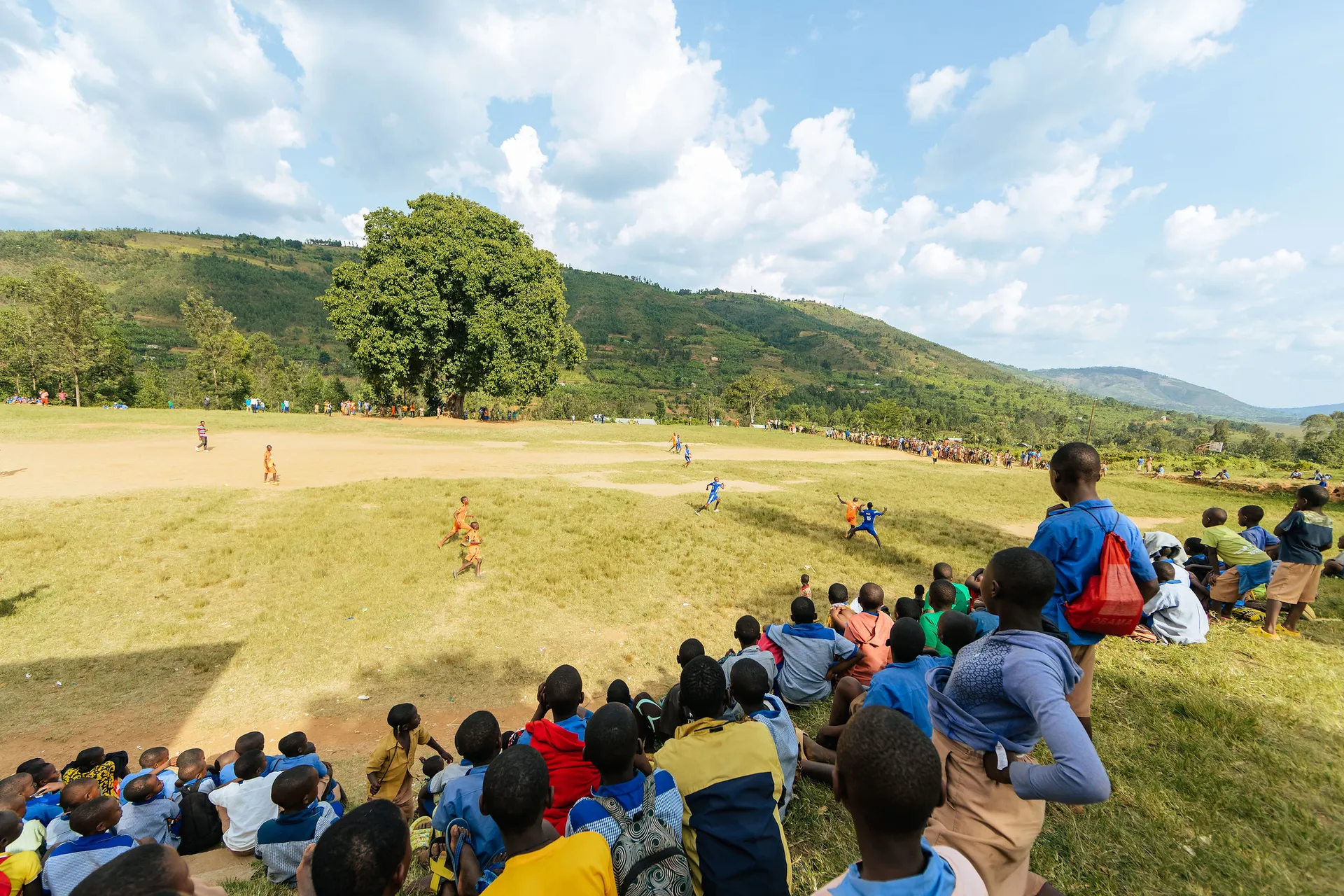
BSI works across Rwanda's lake regions to fight bilharzia through community education, youth empowerment, teacher training, notebook distribution, and inter-school sports. We focus on prevention through awareness while pushing for clean water access and mass drug administration.
You can support BSI by donating, volunteering, or spreading awareness. Every contribution helps us reach more schools, train more health workers, and distribute more educational materials.
Bilharzia is preventable. See how BSI is fighting back through education, community action, and youth empowerment.