A Nationwide Challenge
Bilharzia, also known as schistosomiasis, remains one of Rwanda's most persistent neglected tropical diseases. According to recent data, 1,013 villages — representing 47% of all villages in Rwanda — are affected by the disease. The scale of the challenge has prompted a national response anchored in the Kigali Declaration, which sets an ambitious target of eliminating bilharzia by 2030.
Prevalence and Impact
In Bugesera and Ruhango districts, the prevalence rate stands at approximately 15%. However, in other marshland communities across 28 districts, prevalence climbs to close to 80%, making schistosomiasis one of the country's most widespread parasitic infections. The disease has been linked to a 27% stunting rate among Rwandan children, as chronic infection impairs nutrient absorption and physical development.
Community-Led Interventions
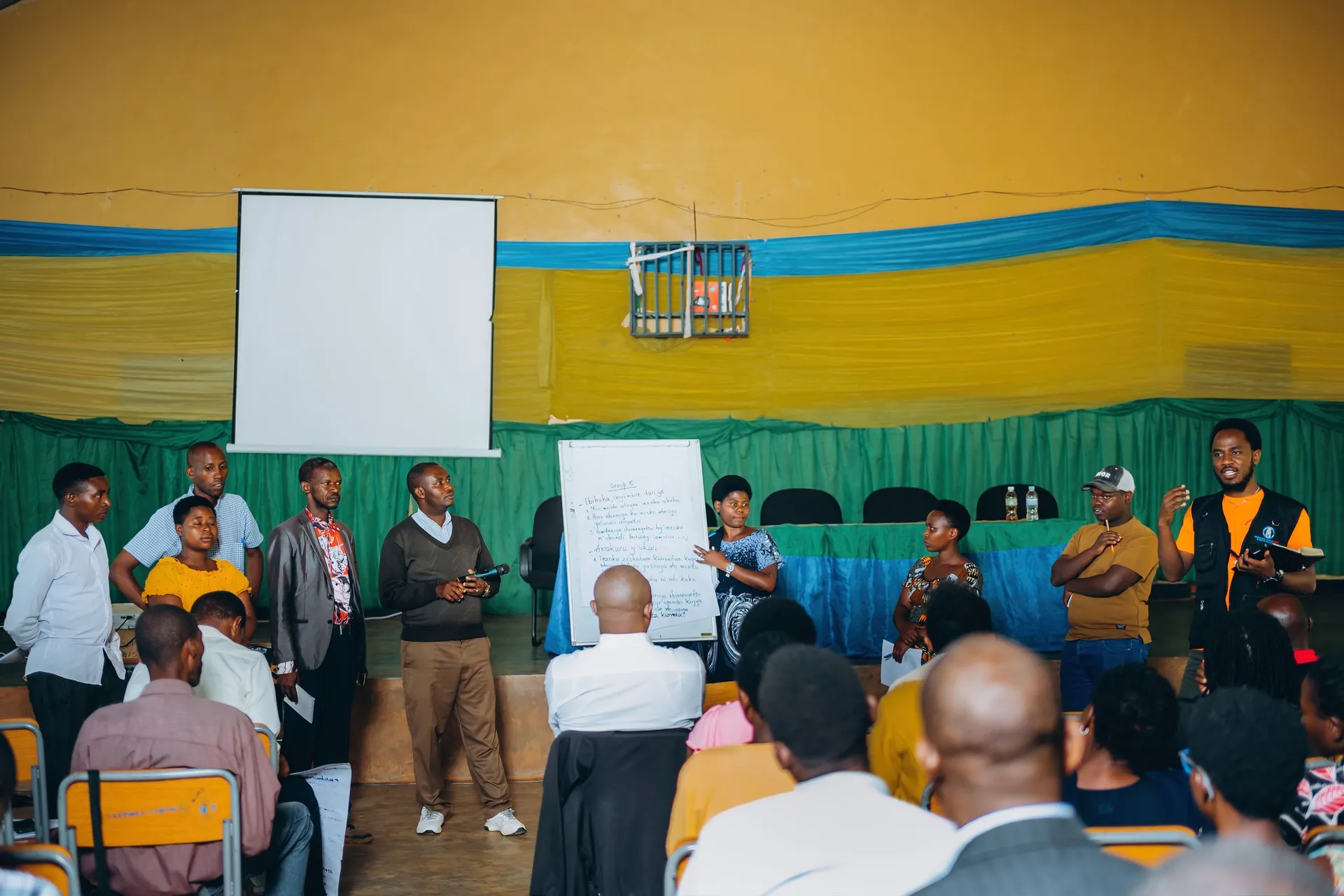
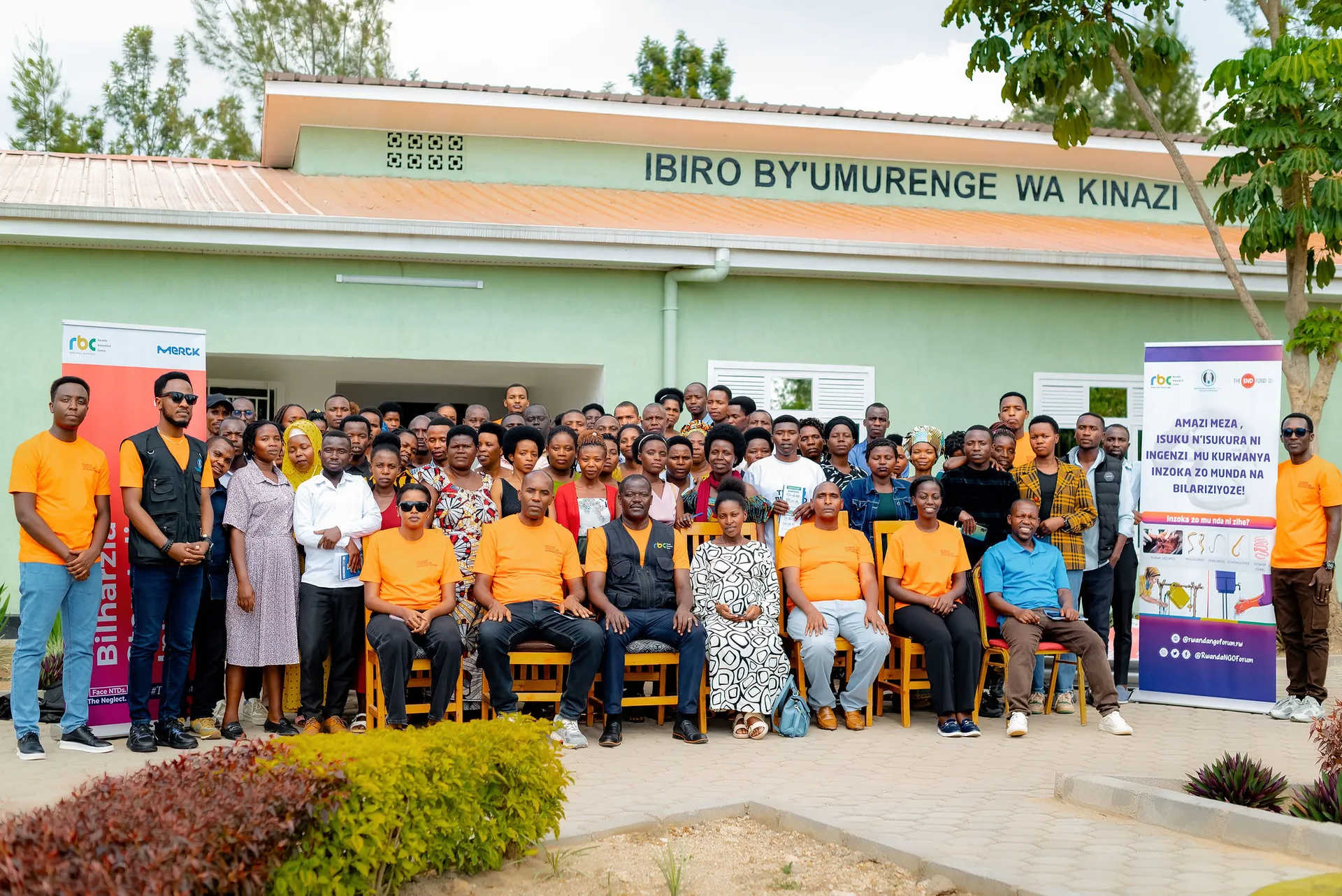
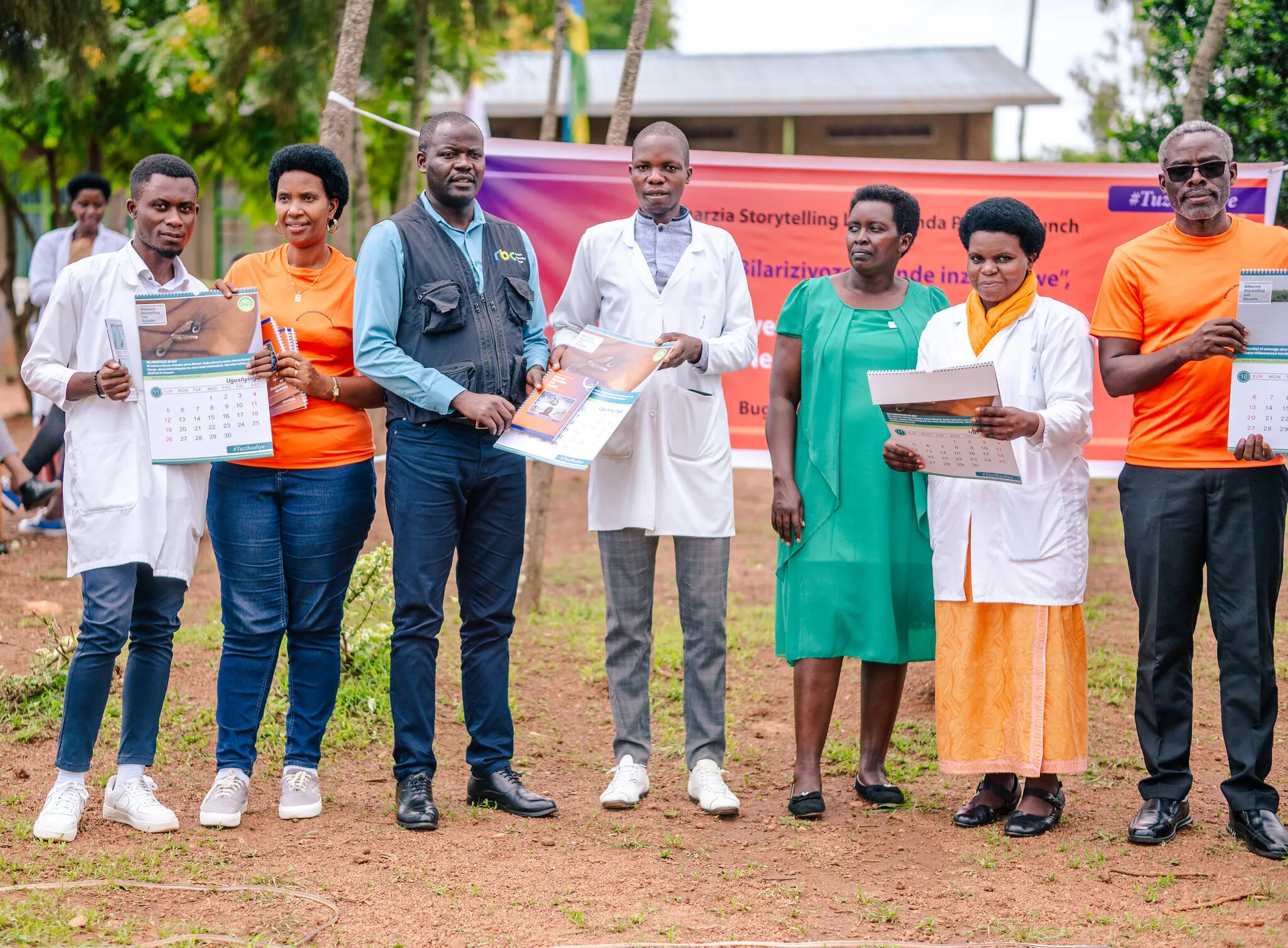
Rwanda's response includes the Integrated Outreach Training (IOT) program, which has trained over 3,000 citizens in Bugesera and Ruhango on bilharzia prevention and WASH (Water, Sanitation, and Hygiene) practices. These community-based trainers serve as the frontline defense, educating their neighbors about safe water practices, recognizing symptoms, and seeking treatment early.
Treatment and Infrastructure
The government, in partnership with international organizations, continues to scale up free deworming campaigns using praziquantel across endemic districts. Alongside mass drug administration, investments in WASH infrastructure — including clean water access points and improved sanitation facilities — are critical to breaking the cycle of reinfection that has sustained the disease for generations.
The Path to 2030
With the Kigali Declaration as its guiding framework, Rwanda is mobilizing resources across health, education, and infrastructure sectors to meet its 2030 elimination target. The combination of community training, free treatment, and improved water and sanitation infrastructure represents a comprehensive approach to a disease that has burdened Rwandan communities for too long.
Originally published on KT Press.
Originally published at www.ktpress.rw