A Lesson That Stuck
Dr. Jacinta Mpalyenkan once said: "Behaviour is the end result of a prevailing story in one's mind. Change the story and the behaviour will change." That sentence stayed with Bertrand Byishimo long after the Bilharzia Storytelling Lab ended.
The lab, organized by Merck Group and Dalberg Media across Kenya, Rwanda, and Ethiopia, brought together young advocates to find creative ways to fight bilharzia. Before attending, Byishimo had little knowledge of neglected tropical diseases. The experience reshaped how he understood public health, and what he believed storytelling could do.
From Competition to Action
After winning the lab competition, Byishimo partnered with Rwanda's Ministry of Health to work in the Eastern Province, one of the country's most affected regions. His approach moved away from simply distributing medication.
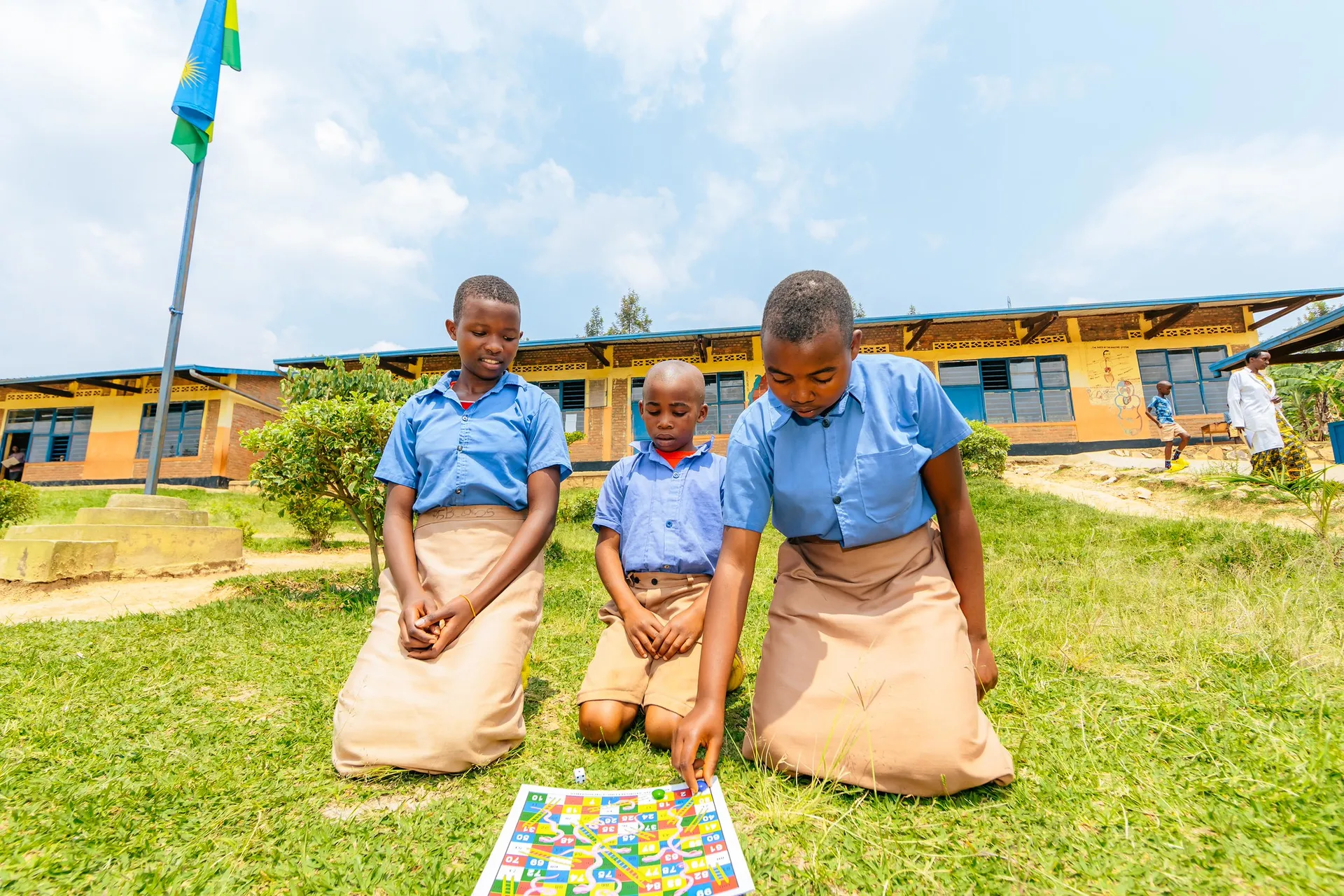
Instead, he developed illustrated comic books carrying prevention messages, and ran storytelling competitions among students. The idea was straightforward: if children understood how bilharzia spread, they could protect themselves and teach their families.
What the Numbers Showed
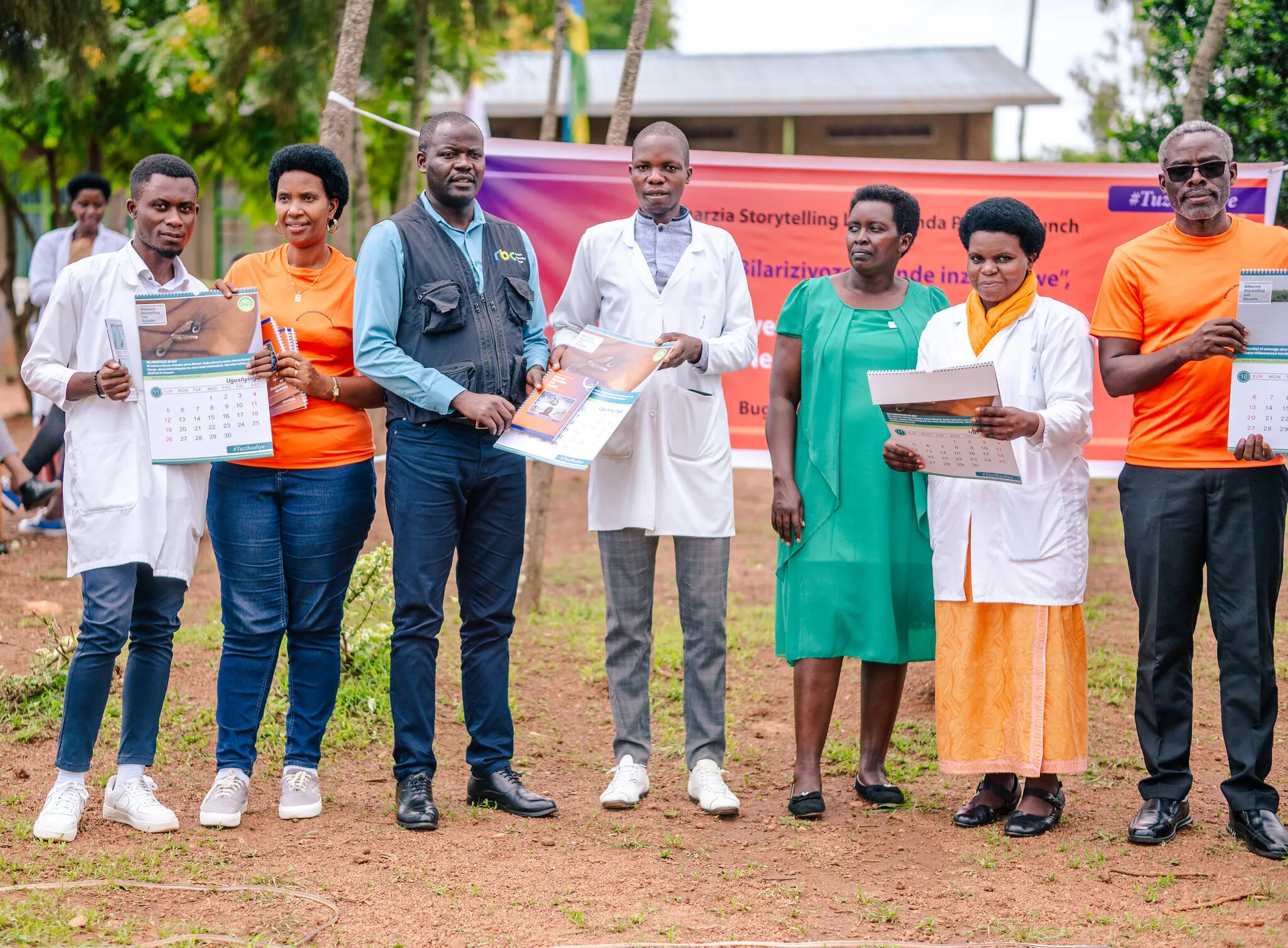
The initiative distributed over 2,500 notebooks to school-aged children, 90 teacher notebooks, and classroom calendars, all carrying the message "Fight Bilharzia." Around 20 school dropouts returned to school after receiving the materials.
Follow-up visits during World NTDs Day celebrations found real shifts in hygiene behaviour. Students were washing hands more consistently. Parents were asking questions. Teachers were carrying the message forward.
The Work Continues
Changing behaviour takes time and repetition. The Bilharzia Storytelling Initiative now works across three districts in Rwanda, reaching over 11,000 children. The next step is reaching more, with deeper community roots and stronger partnerships.
Young people across Africa and Asia are watching the same water sources, facing the same risks. They deserve the same tools.
Originally published on Clover-i.org.
Originally published at clover-i.org